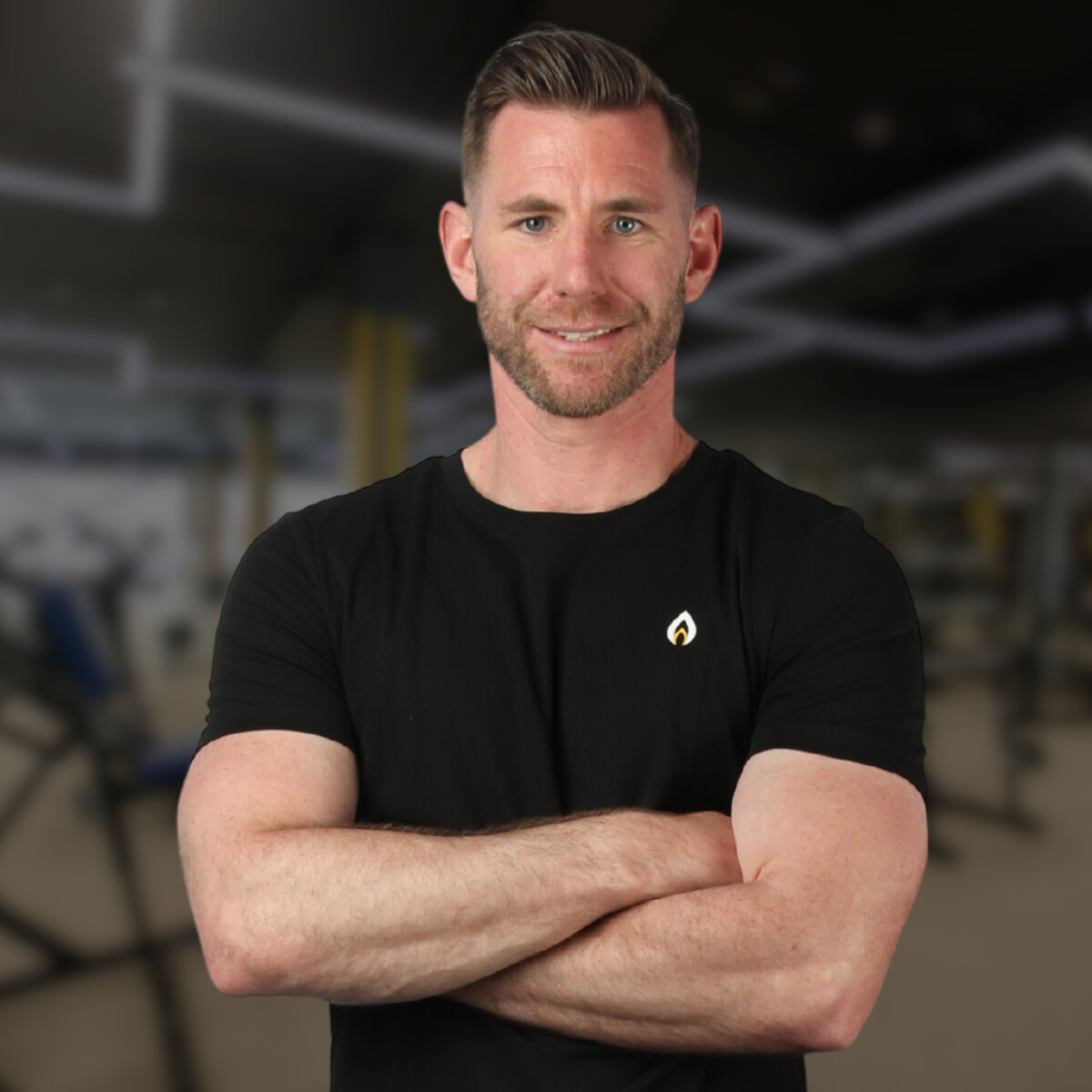
Many people can lose body fat while gaining muscle, particularly when they are new to structured training, returning after a break or carrying more body fat.
Who responds best
Beginners often gain strength and muscle quickly because almost every productive training stimulus is new. People returning after time away may regain lost muscle faster than they built it initially. Those with higher levels of body fat also have more stored energy available while they train.
Experienced, lean lifters can still improve body composition, but the changes are usually slower and may require dedicated fat-loss and muscle-gain phases.
Strength training has to progress
Body recomposition is not created by sweating more. The muscles need a reason to adapt. Use resistance training that gradually increases the challenge through load, repetitions, sets, control or range of motion.
Keep the main movements stable long enough to see whether performance is improving. Constant exercise changes make progress harder to measure.
Keep the calorie deficit moderate
A very aggressive deficit may reduce training performance and make muscle gain less likely. A smaller deficit is slower, but it can be easier to sustain while you continue getting stronger.
Protein intake, meal structure and sleep also matter. You are asking the body to support training while drawing down stored energy, so recovery cannot be ignored.
Do not judge the process only by scale weight
If you gain some muscle while losing fat, body weight may move slowly. Use waist measurements, progress photos, clothing fit and gym performance alongside the scale.
- Look at a weekly average rather than one weigh-in.
- Measure the waist under the same conditions.
- Repeat photos every four weeks, not every morning.
- Track strength on a small set of repeatable exercises.
Set an honest expectation
Body recomposition is possible, but it is not a promise that everyone will dramatically build muscle while rapidly losing weight. Your experience, starting body composition, genetics, training and nutrition all affect the rate.
Over twelve weeks, the useful question is whether you are stronger, your waist is changing and the plan is sustainable. Those signals matter more than a dramatic marketing claim.
This article provides general education and does not replace individualized medical care. Speak with an appropriate healthcare professional before beginning exercise if you have symptoms, significant health concerns or medical restrictions.